
Visiting Musée d’Orsay with Kids? Read This Before You Go

Planning a family trip to Paris and thinking about visiting the Musée d’Orsay?
It is one of the most beautiful museums in the city — but if you are visiting with children, you may be wondering:
“Will my child get bored looking at paintings?”
“There are so many famous artworks. Where should we even start?”
“How do I explain art in a way my child can actually enjoy?”
That is exactly why we created this free Musée d’Orsay worksheet for kids.
Musée d’Orsay is
more than “just paintings”
If you walk into the Musée d’Orsay without any preparation, your child may simply remember it as “the place with paintings.”
But with just a little background knowledge, the whole museum can open up differently.
The Musée d’Orsay was originally a train station. That is why, when you step inside, you will see a grand open hall, high ceilings, and the museum’s famous clock — details that already make the building feel like part of the adventure.
Inside, children can meet the world of Monet, Renoir, Degas, Van Gogh, and other artists who painted light, color, movement, and everyday life in unforgettable ways.
Instead of saying, “This is a famous painting,” try asking:
“Where is the brightest color in this painting?”
“What do you think this person is feeling?”
“If you could step inside this artwork, what sounds would you hear?”
With the right questions, a museum visit becomes less about knowing the correct answer — and more about noticing, wondering, and imagining.
Three things to know before visiting
Musée d’Orsay with kids
1. The museum used to be a train station
Before it became a museum, the Musée d’Orsay was a railway station. Its giant clock, wide hall, and grand architecture are part of what makes the visit so memorable for children.
Before looking at the artworks, invite your child to look at the building itself. Ask:
“What parts of this place still feel like a train station?”
2. Many artworks here are about light, color, and everyday moments
The Musée d’Orsay is home to many Impressionist and Post-Impressionist masterpieces.
Artists like Monet, Renoir, Degas, and Van Gogh did not simply paint people or landscapes. They painted changing light, soft colors, movement, mood, and small moments from real life.
That makes the museum surprisingly accessible for children — because they can start by looking at colors, expressions, weather, movement, and feelings.
3. In an art museum, looking slowly matters more than knowing the answer
Children do not need to memorize artist names to enjoy a museum.
They need permission to look closely.
Instead of asking, “What is this painting about?” try asking:
“What do you notice first?”
“What color do you see the most?”
“What do you think happened right before this moment?”
“What would you title this painting?”
These questions help children build confidence, curiosity, and their own way of seeing art.
Download
the Musée d’Orsay
free worksheet for kids
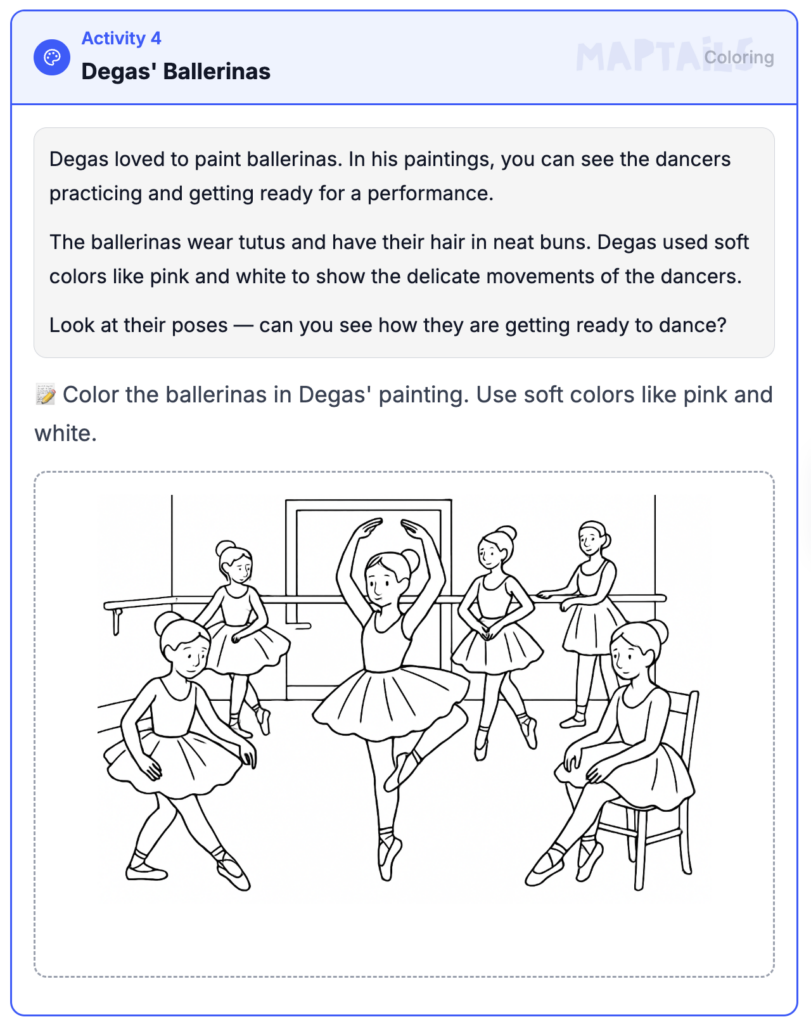
Ages 6–7
A First Art Adventure at the Orsay Museum
– Find the big clock inside the museum
– Notice Van Gogh’s yellow and blue night sky
– Copy the pose of Rodin’s The Thinker
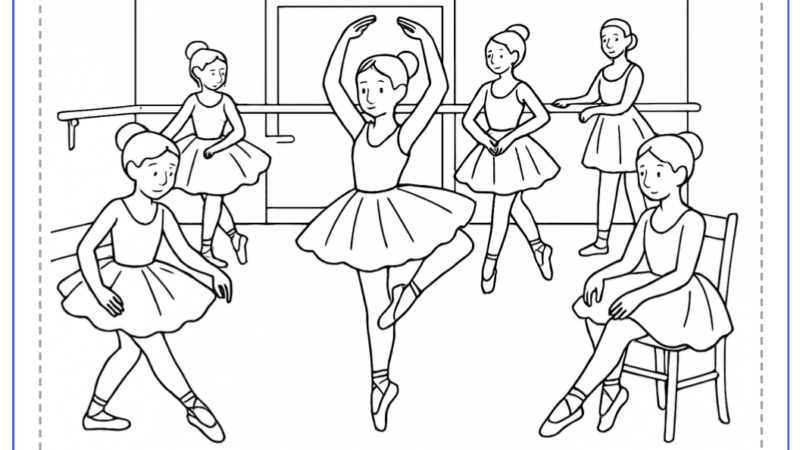
– Color Degas’ ballerinas
– Imagine the Orsay Museum when it was still a train station
★★☆☆☆
Coloring, tracing, movement, and simple art observation for first-time museum explorers
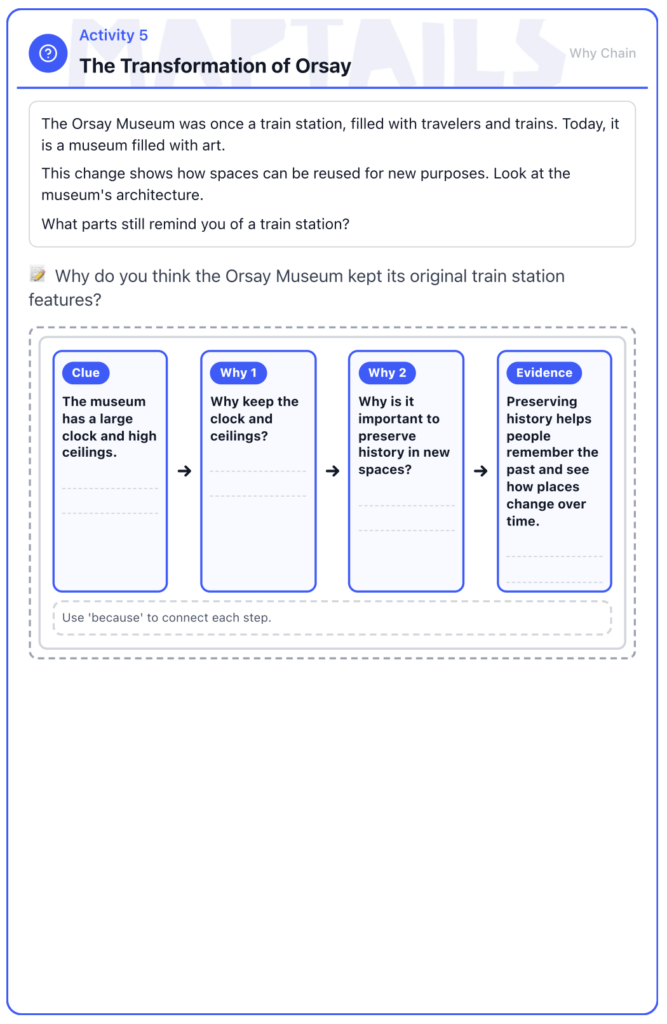
Ages 8–9
Art, Light, and the Story of a Train Station
– Find details on the giant Orsay clock
– Notice the mood of Van Gogh’s Starry Night Over the Rhône
– Imagine becoming an Impressionist painter
– Think about why Rodin used bronze for his sculptures
– Explain why Orsay kept its original train station features
★★★☆☆
Observation, early art interpretation, short writing, and history-meets-architecture thinking
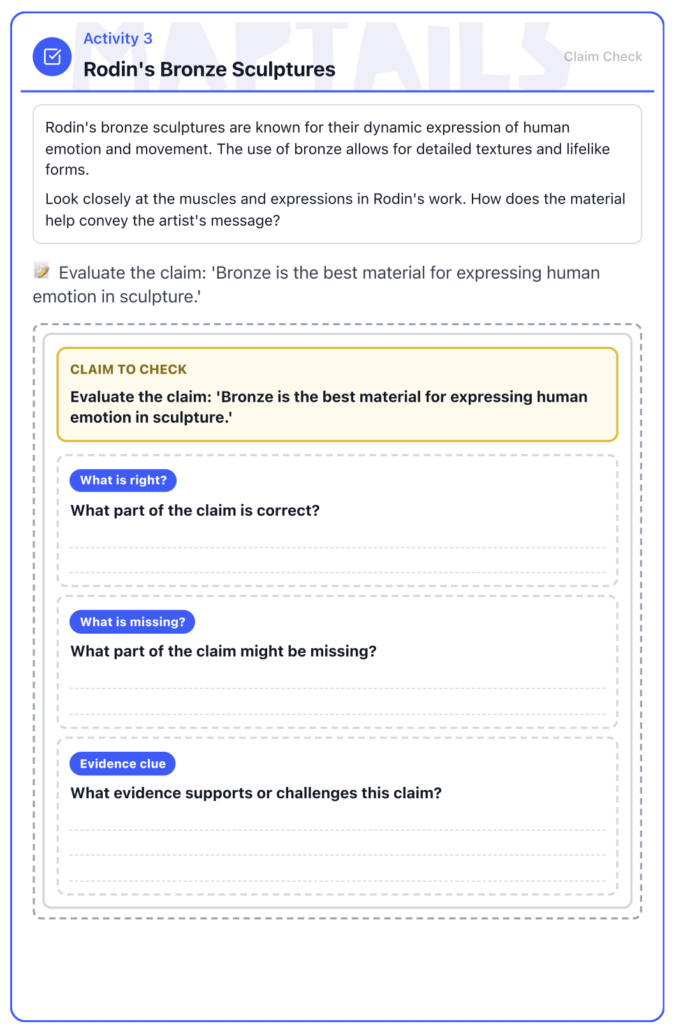
Ages 12–13
Impressionism, Symbolism, and Critical Art Thinking
– Observe the grand clock as a link between Orsay’s past and present
– Build a why-chain around Van Gogh’s use of blue and yellow
– Evaluate whether bronze is the best material for expressing emotion in sculpture
– Compare Impressionist and traditional approaches to light and color
– Debate whether Gauguin’s Tahiti works are more about reality or imagination
★★★★☆
A deeper worksheet for critical thinking, source comparison, claim checking, visual analysis, and debate
Recommended for families who are:
– Planning a family trip to Paris
– Visiting Musée d’Orsay with children
– Looking for kid-friendly museum activities
– Wondering how to talk about art with young children
– Preparing a Paris travel learning activity
– Searching for free printable museum worksheets
– Hoping to make European art museums more meaningful for kids
What is MapTails?
MapTails is an AI-powered travel worksheet service that helps children explore the world with curiosity.
Enter a place, choose your child’s age, and MapTails creates a personalized worksheet designed for that destination.
Before the trip, children build background knowledge.
During the visit, they observe, search, imagine, and talk.
After the trip, they can reflect and remember what they discovered.
MapTails turns family travel into a learning adventure — one place, one child, one story at a time.
Follow us on Instagram @maptails.kr to get new free worksheets every week.